
While the great cities warred against one another, it was the small towns and scattered settlements that suffered the most.
Raids, collapsing trade routes, disease, famine, suspicion, and endless conflict swept across the land. Entire communities vanished beneath the ambitions of stronger powers. Refugees wandered endlessly with nowhere safe to go and no city willing to welcome them.
Then came Cormildux.
Cormildux is not an ancient kingdom, sacred place of power, or fortified empire. It is the product of desperation and stubborn survival. Refugees from every species, culture, and background converged upon a hostile stretch of desert at the edge of civilization and decided they would not die there.
Small survivor groups gathered around leaders who demonstrated impossible determination. These wandering bands eventually found one another and settled together in unforgiving terrain plagued by venomous creatures, violent temperatures, poor farmland, and dangerous plant life capable of killing careless harvesters.
Yet through shared struggle came unity. Combined knowledge from dozens of cultures allowed the refugees to slowly carve a functioning city from the wasteland. Every building, well, and marketplace exists because someone refused to give up.
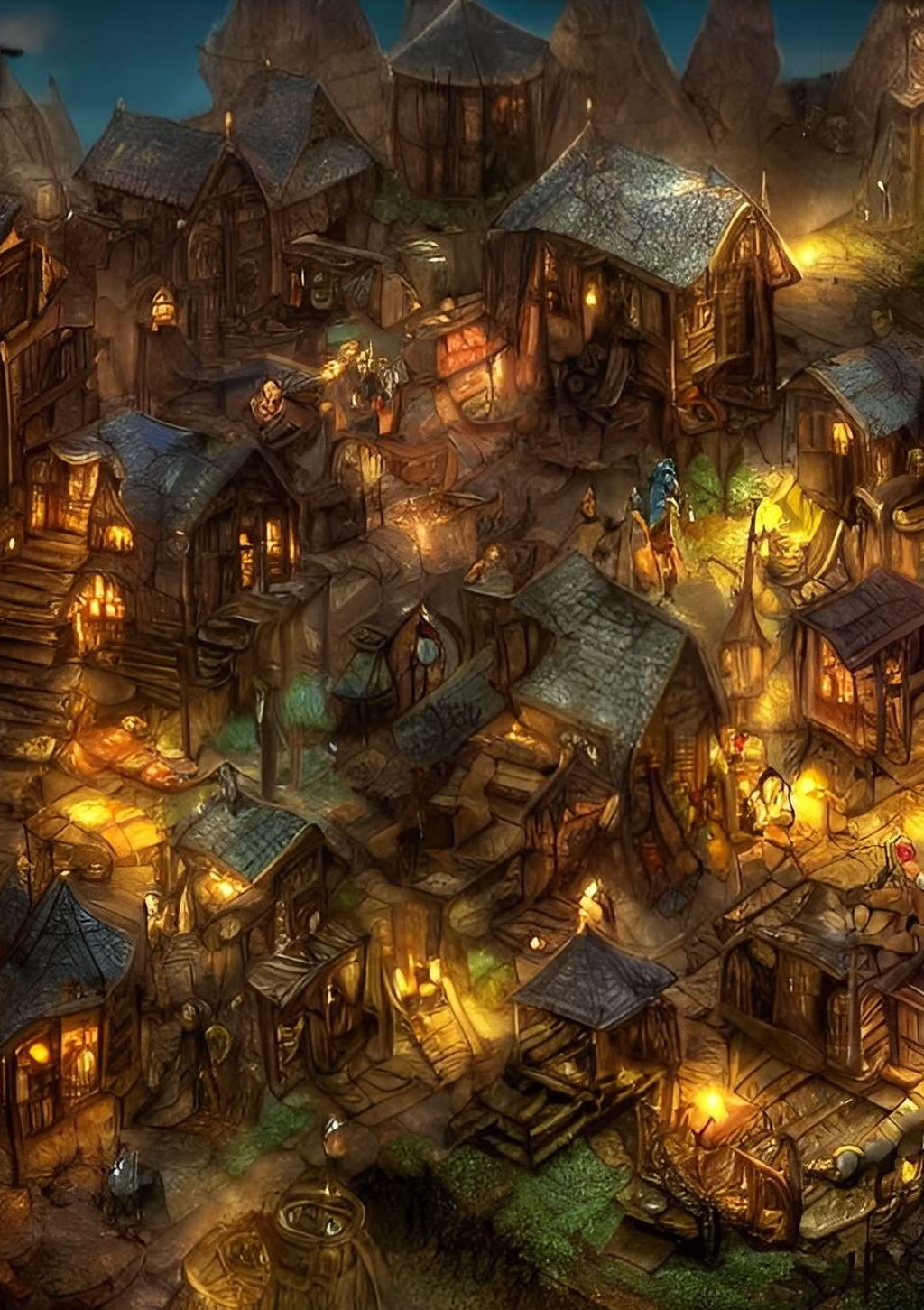
Cormildux sprawls outward in colorful chaos. Short wooden buildings line dusty streets while thin sheets of cloth hang overhead, casting shifting colors across the city and offering meager protection from the burning sun. Walking through the streets overwhelms the senses with foreign languages, unfamiliar spices, music from distant lands, and cultures that once stood divided by war.
The city is governed by the original refugee leaders. Technically, they possess little formal authority, yet the people follow them willingly out of respect for what they accomplished together. That fragile system strains more with each passing year as the population grows and new refugees continue arriving.
Violent crime remains surprisingly rare despite the city's instability and diversity. Minor offenses are punished through fines and community labor, while more serious problems are handled the old Keridwyn way — bounty hunters.
The desert itself remains Cormildux’s greatest enemy. Crops grow poorly in the sandy soil, and water must often be dug from the earth by hand. However, one resource thrives here: venomwood. The dangerous barbed plant snakes across the desert floor and can be harvested for its uniquely durable and toxic wood. Harvesting it is painful. Working it is worse. Yet venomwood has become Cormildux’s primary export because enduring hardship is woven into the city’s identity.
Other cities often assume Cormildux hides vast stockpiles of resources. How else could a refugee city survive in such brutal conditions? Raids searching for these imagined riches are common. What invaders fail to understand is that the true resource sustaining Cormildux is determination itself — the determination to keep digging for water, rebuilding homes after every attack, and surviving one more day.
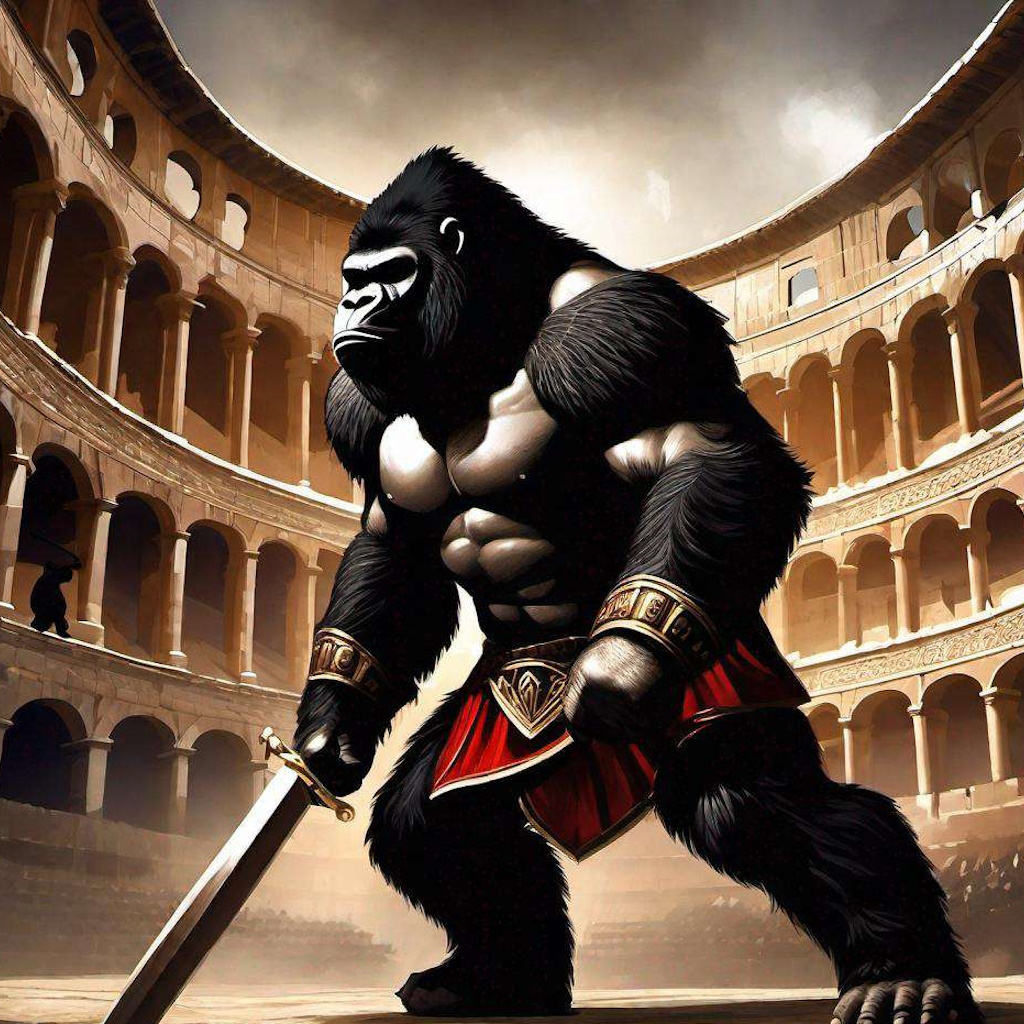
Born in Crossroads, Kathar trained as a duelist from a young age and developed a flowing twin-saber fighting style built on speed, precision, and relentless aggression. Few can match him blade-to-blade.
He joined the Keridwyn army seeking glory and plunder, only to discover discipline, hierarchy, and endless orders he had no interest in obeying. Though talented, Kathar constantly clashed with his commanding officers due to his arrogance and selfishness.
Eventually he was discharged despite his skill. His commander’s final words haunted him: that he would never become truly useful until he learned humility.
Kathar fled to Orbin where he embraced a life far more suited to his nature. Gathering like-minded outcasts, he formed a roaming crew of raiders aboard the vessel Seafang, harassing ships across the coasts and islands for wealth and adventure.
After spilling blood on the docks of Orbin, Kathar and his crew were exiled from the city. Desperate and unwilling to surrender, they stole a Keridwyn military airship during the chaos following the closing of Keridwyn’s gates. Kathar renamed it Humility’s Scorn.
The stolen airship became infamous across the trade routes as Kathar launched daring raids throughout the fractured alliance. That career ended when Beacon forces led by a “tiny shining star” crippled the vessel during a retreat. The wreckage crashed deep within the desert, leaving the survivors stranded and near death.
Those survivors eventually stumbled into Cormildux. Kathar now claims he has changed, inspired by the hospitality shown to him by people displaced by the very kind of piracy he once committed. He fights fiercely for the city and has defended it many times, though many citizens still question whether the old Kathar is truly gone.
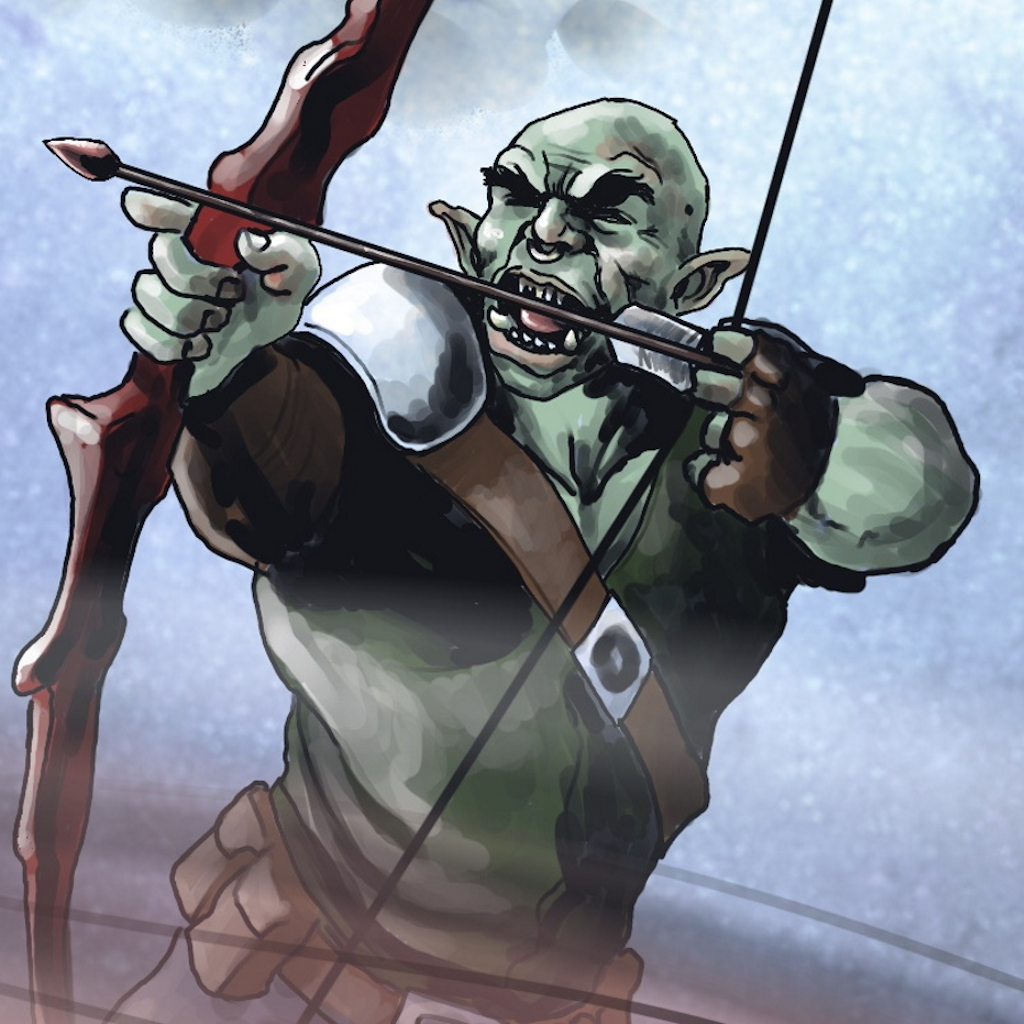
Malek’s yellow skin marks him as one of the desert Orc tribes. A warrior through and through, he throws himself into battle with reckless enthusiasm, overwhelming strength, and an unapologetic love for loot.
Unlike many defenders of Cormildux, Malek does not fight for ideals, politics, or loyalty. He fights for money — and spends it almost as quickly as he earns it.
During a spirit journey through the desert, Malek encountered Hesit forces assaulting Cormildux. The enemy glittered with artifacts, weapons, and expensive contraptions. Seeing opportunity, Malek hurled himself directly into their rear lines with manic delight.
The sudden attack shattered the Hesit formation. Orcish laughter echoed across the battlefield as Malek tore through the rear guard, routing the attackers and turning the battle in Cormildux’s favor. The city celebrated him as a hero.
Malek claimed an enormous share of wealth from the battlefield. It lasted approximately one week.
During that week he indulged in nearly every food, drink, game, and luxury the wildly diverse culture of Cormildux had to offer. To Malek, surviving the world means enjoying it as loudly as possible.


